Australia’s trusted bridge to Nigeria’s most ambitious opportunitiess

Investing in Nigeria’s Solar Power and Off-Grid Solutions

For Australian investors seeking high-growth opportunities beyond traditional markets, Nigeria presents a compelling case. This guide explores the vast potential for investing in Nigerian solar, a sector fueled by a significant energy deficit and a population of over 200 million.

We break down the key investment avenues, from commercial installations to community mini-grids, and outline the potential for strong financial returns. 

This article serves as a practical roadmap, detailing the steps for entry, navigating the regulatory landscape, and understanding the associated risks for an Australian investor.

The Untapped Potential: Why Nigeria’s Solar Sector is a Prime Opportunity for Australian Investors

For the savvy Australian investor accustomed to a stable and robust energy grid, the situation in Nigeria can be difficult to comprehend. Yet, within this challenge lies one of Africa’s most significant investment opportunities

Nigeria, the continent’s largest economy and most populous nation, is in the grip of a severe power crisis. This creates an enormous and largely untapped market for reliable and affordable energy, with solar power and off-grid solutions emerging as the most viable and scalable answer.

The scale of the opportunity is immense. Nigeria has a population of over 200 million people, more than seven times that of Australia, yet its national grid generates a fraction of the power required. 

This massive energy gap has forced millions of businesses and households to rely on expensive, noisy, and environmentally damaging diesel generators. 

For an Australian investor, this translates into a ready-made market desperate for a better alternative. The high cost of running generators creates a compelling financial case for solar, making it not just an environmental choice but a sound economic one. 

The potential for renewable energy investment in Nigeria is therefore not a distant prospect; it is a present and rapidly growing reality.

Understanding Nigeria’s Energy Landscape

To truly grasp the investment potential, it is essential to understand the daily reality of Nigeria’s energy sector. The national grid is notoriously unreliable, with frequent collapses and an inability to deliver power to a vast portion of the population. 

Official estimates suggest that over 85 million Nigerians lack access to grid electricity. Even for those who are connected, supply is intermittent at best. This has created a decentralised energy market by default, dominated by the use of privately-owned generators. 

The cost of fuel and maintenance for these generators places a heavy financial burden on the economy, hindering productivity and growth.

This challenging landscape has created distinct market segments ripe for solar intervention. The first is the Commercial and Industrial (C&I) sector, encompassing businesses from small factories to large corporations that cannot function without a constant power supply. 

The second is the residential market, where households seek alternatives for lighting, charging devices, and powering appliances. Finally, there are the hundreds of unserved rural communities, where off-grid solutions like mini-grids offer the only path to modern electrification. 

This widespread demand, coupled with Nigeria’s position in the sunbelt, makes the country a focal point for solar power Nigeria opportunities.

3 Key Investment Opportunities in Nigerian Solar

The Nigerian solar market is not monolithic. It offers a range of investment opportunities catering to different risk appetites and capital levels. For Australian investors, understanding these segments is key to crafting a successful entry strategy. 

Each offers a unique pathway to generating returns while contributing to the country’s energy independence.

1. Commercial and Industrial (C&I) Solar

The C&I sector is often considered the most attractive entry point for foreign investors. Businesses in Nigeria are acutely aware of their energy costs, which can represent a significant portion of their operating expenses. They are actively seeking solutions that offer both reliability and cost savings. 

Investing in Nigerian solar for C&I clients involves providing systems that can offset or completely replace their reliance on the grid and diesel generators.

Investment models in this space are varied and can be tailored to an investor’s preference. A common approach is a direct asset sale, where the solar system is sold outright to the business. Another popular model is a solar lease or a Power Purchase Agreement (PPA). 

Under a PPA, the investor owns and maintains the solar system on the client’s property and sells the generated electricity to them at a pre-agreed tariff, which is typically lower than their current energy costs. 

This model provides a predictable, long-term revenue stream, making it highly appealing for Australian investors seeking stable returns.

2. Mini-Grid Development for Communities

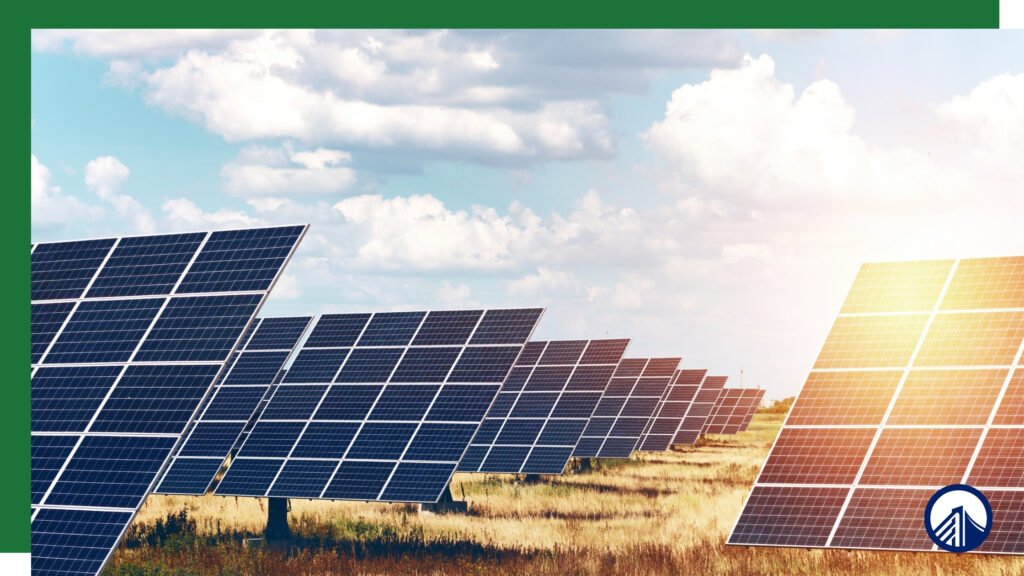
For investors with an interest in large-scale impact and infrastructure development, mini-grids represent a substantial opportunity. Mini-grids are small-scale, independent power networks that can provide 24/7 electricity to entire communities that are not connected to the national grid. 

They typically consist of a central solar farm coupled with significant energy storage and a local distribution network.

The Nigerian government, with support from international bodies like the World Bank and the African Development Bank, is actively promoting mini-grid development through its Rural Electrification Agency (REA). This support includes favourable licensing, subsidies, and a clear regulatory framework that protects investors.

The business model involves developing, owning, and operating the mini-grid, selling power directly to households and small businesses within the community. 

This form of Nigeria power sector investment offers the chance to build long-term, essential infrastructure assets while delivering transformative social and economic benefits.

3. Solar Home Systems (SHS) for Residential Users

The residential market is addressed primarily through Solar Home Systems (SHS). These are small, standalone kits that typically include a solar panel, a battery, lights, and charging ports. 

They provide a vital first step on the energy ladder for millions of households, replacing kerosene lamps and candles with clean, reliable lighting.

The dominant business model in the SHS space is Pay-As-You-Go (PAYG). This innovative model allows customers to make a small down payment for the system and then pay for their energy usage in small, regular instalments using mobile money. This overcomes the primary barrier of upfront cost. 

For investors, the PAYG model creates a scalable, recurring revenue business. While the individual transaction sizes are small, the sheer volume of potential customers makes this a very large market. Investing in an established SHS company in Nigeria can provide exposure to this high-growth consumer market.

ROI and Funding Models

The primary driver for investing in Nigerian solar is the compelling financial return. The baseline for comparison is not a subsidised grid tariff, as might be the case in Australia, but the exorbitant cost of diesel-generated power. 

The levelised cost of energy (LCOE) from a solar and battery system is now significantly cheaper than the cost of running a generator, leading to immediate and substantial savings for customers.

This cost advantage translates into a strong return on investment (ROI) in Nigerian solar. For C&I projects, payback periods can be as short as four to seven years, with the system generating free electricity for the remainder of its 25-year lifespan. This creates a powerful value proposition that is easy for businesses to understand.

Funding for these projects can come from various sources. Equity investment from venture capital, private equity, or individual Australian investors is common for financing growth and new projects. Debt financing is also becoming more accessible as local and international banks grow more comfortable with the sector.

Furthermore, a range of blended finance instruments and grants are available from development finance institutions (DFIs) and impact investors who are drawn to the sector’s potential to deliver both financial returns and positive social outcomes, such as job creation and poverty reduction.

Summary On Investing in Nigeria’s Solar Power and Off-Grid Solutions

The opportunity for investing in Nigerian solar is undeniable and represents one of the most exciting growth prospects in the global renewable energy space. 

For Australian investors, it offers a chance to deploy capital in a market with immense demand, strong economic drivers, and the potential for significant financial returns. 

While the challenges of operating in Nigeria are real, they can be effectively managed through diligent research, strategic planning, and strong local partnerships. 

An investment in Nigeria’s off-grid solutions is more than a financial transaction; it is an investment in a brighter, more productive future for Africa’s largest economy.

Rooted in culture. Driven by opportunity.

🇳🇬

Frequently Asked Questions About Investing in Nigeria’s Solar Power and Off-Grid Solutions

Is Nigeria a Good Place to Invest in Solar Energy?

Yes, Nigeria is considered one of the best places globally to invest in solar energy. This is due to a combination of a massive energy deficit, a large and growing population, high solar irradiation levels, and the prohibitive cost of the main alternative (diesel generators), which makes the business case for solar exceptionally strong.

How Can I Invest in Solar Energy in Nigeria from Australia?

An Australian can invest by identifying a market segment (C&I, mini-grids, or residential), conducting due diligence, and finding a reputable local partner. Investment can be made directly into a project, through a Special Purpose Vehicle (SPV), or by acquiring equity in an existing Nigerian solar company. Engaging legal and financial advisors in both Australia and Nigeria is essential.

What Is the Return on Investment for Solar in Nigeria?

The return on investment (ROI) in Nigerian solar is very attractive. For Commercial & Industrial (C&I) projects, payback periods can be between 4 to 7 years. The ROI is driven by the significant savings solar provides compared to the high and volatile costs of running diesel generators.

What Are the Challenges of Investing in Nigeria’s Power Sector?

Key challenges include regulatory hurdles, currency fluctuations of the Nigerian Naira, potential supply chain and logistics delays for imported components, and security concerns in some regions. These risks can be mitigated with thorough planning, local expertise, and sound legal advice.

Are There Government Incentives for Solar Investment in Nigeria?

Yes, the Nigerian government offers several incentives. These include import duty waivers for renewable energy components, tax holidays for pioneer companies, and a supportive regulatory framework for mini-grids managed by the Rural Electrification Agency (REA).

How Big Is the Off-Grid Market in Nigeria?

The off-grid market in Nigeria is enormous. It is estimated to be a multi-billion-dollar per year opportunity. With over 85 million people lacking access to grid electricity and millions more suffering from unreliable supply, the potential customer base for off-grid solutions like mini-grids and solar home systems is one of the largest in the world.

Share the Post:

Ready to book a consultation?

At CM Group Consulting, we’re not just advisors, we’re your compass in a shifting world of business, finance and property.

Related Posts

At CM Group Consulting, we bridge more than just borders: we connect people, purpose, and potential. Whether you’re investing in property, growing a business, or reconnecting with your roots, we’re here to guide you every step of the way with culturally attuned expertise and global perspective.

Email us
Call us
Connect with us
Visit us
Ground Floor, Suite 3, 189 Kent Street, Sydney NSW 2000
© 2025 CM Group Consulting. All rights reserved.
Scroll to Top